
Myths About Eco-Friendly Laundry: Debunking Common Misconceptions


Understanding Eco-Friendly Laundry
As more people become environmentally conscious, eco-friendly laundry practices have gained popularity. However, several myths and misconceptions persist, making it challenging to distinguish fact from fiction. This blog post aims to debunk these myths and provide clarity on sustainable laundry practices.
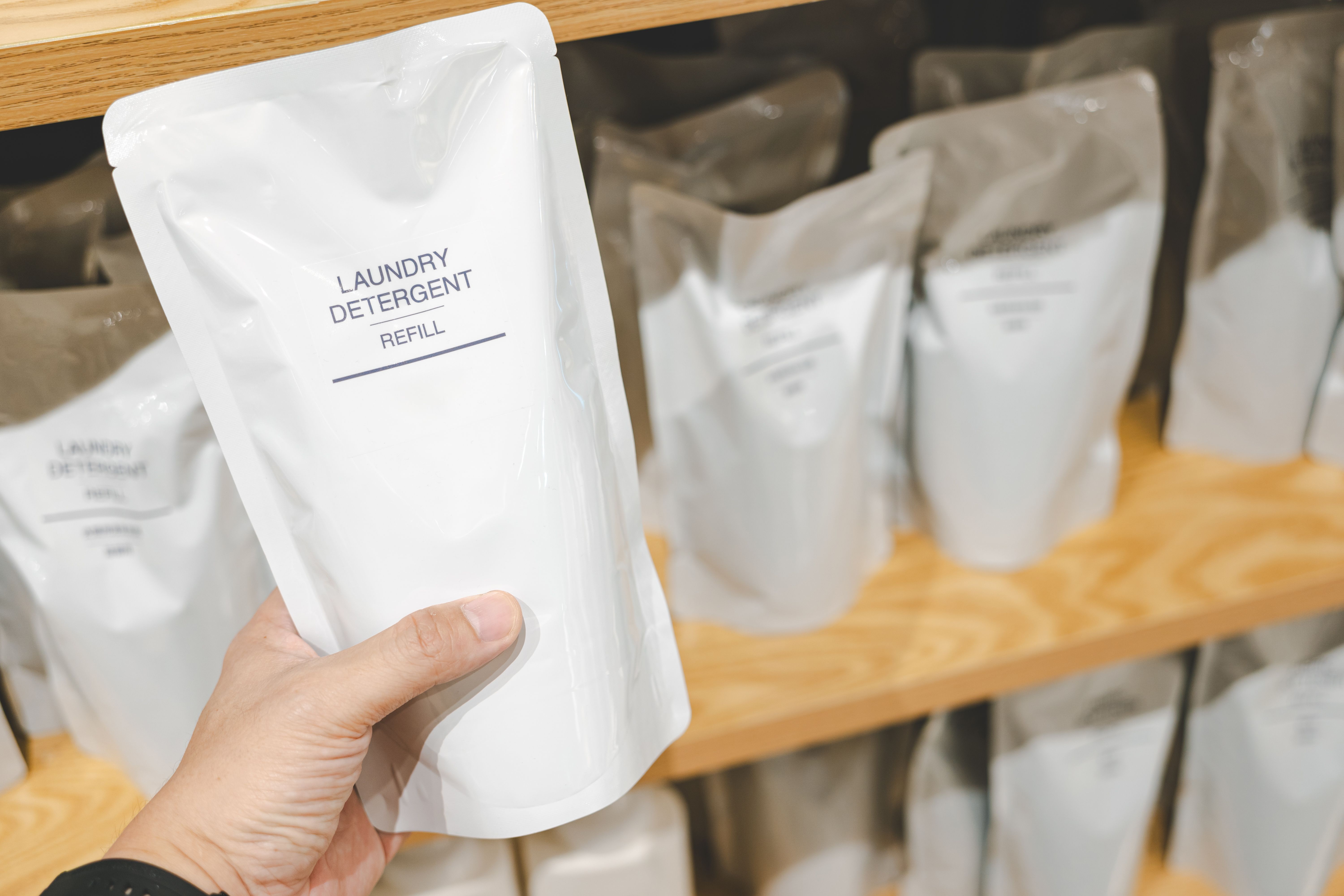
Myth 1: Eco-Friendly Detergents are Less Effective
A common misconception is that eco-friendly detergents don't clean clothes as effectively as conventional ones. In reality, many eco-friendly detergents contain powerful plant-based ingredients that are both effective and gentle on fabrics. These products often undergo rigorous testing to ensure they meet high cleaning standards.
It's essential to follow the recommended usage instructions, as using too much detergent—whether eco-friendly or not—can lead to residue build-up and reduced effectiveness.
Myth 2: Cold Water is Ineffective for Cleaning
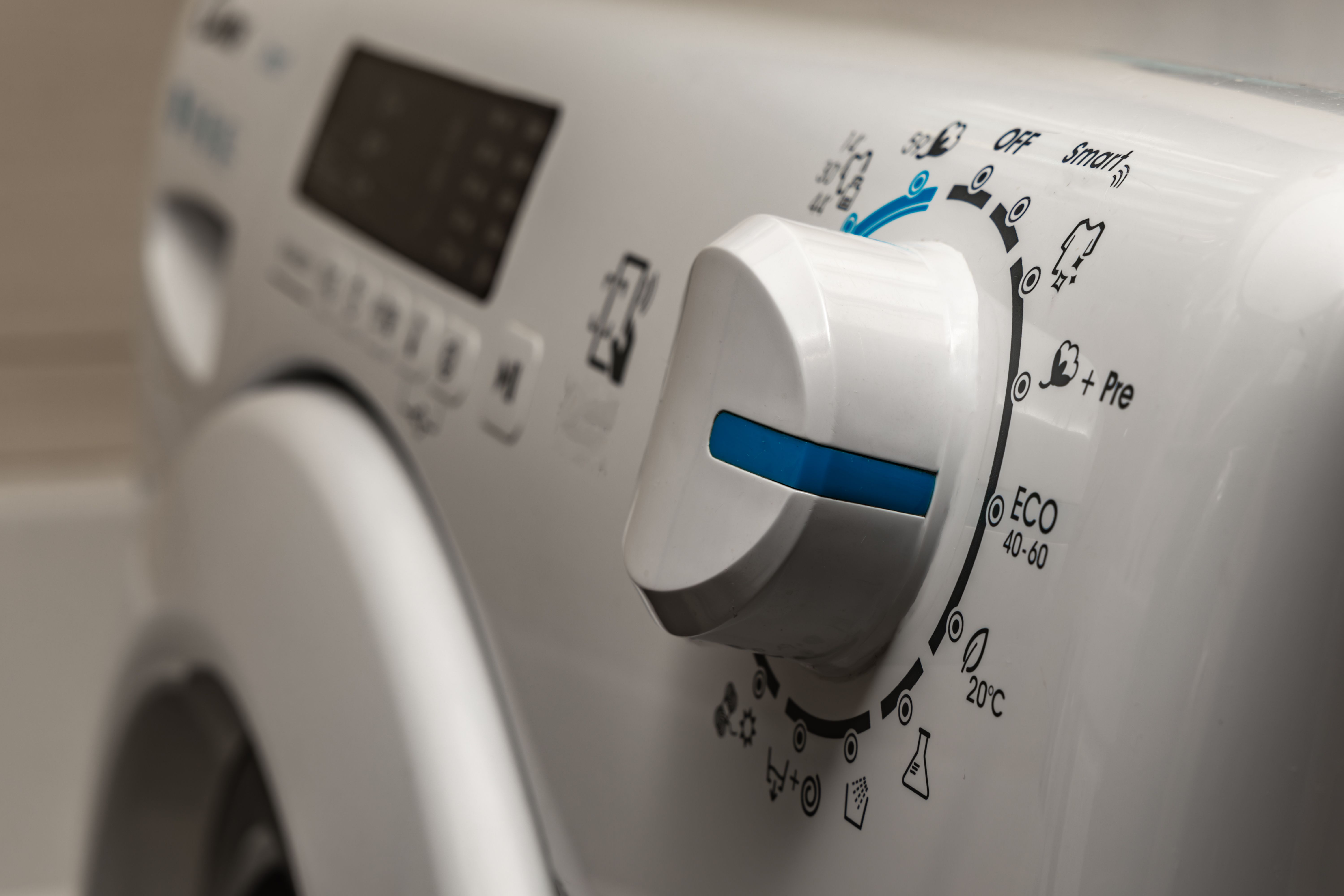
Another widespread myth is that cold water is insufficient for washing clothes. While hot water can be useful for heavily soiled items, modern detergents are designed to work effectively in cold water. Using cold water not only saves energy but also helps preserve the color and fabric of your clothes.
Myth 3: Natural Fabrics Don't Need Eco-Friendly Practices
Some believe that natural fabrics, like cotton or linen, don't require eco-friendly laundry practices. However, the production of these fabrics can be resource-intensive. Implementing sustainable laundry habits, such as using eco-friendly detergents and washing in cold water, can reduce the overall environmental impact.
Additionally, air drying clothes made from natural fabrics can further minimize energy consumption and prolong their lifespan.
Myth 4: Eco-Friendly Laundry is Expensive
Many people assume that adopting eco-friendly laundry practices is costly. While some sustainable products may have a higher upfront cost, they often last longer and are more concentrated, meaning you use less per wash. Over time, this can lead to savings.
Moreover, practices like washing in cold water and air drying reduce energy consumption, lowering utility bills and offsetting any initial expenses.
Embracing Sustainable Laundry Habits
Debunking these myths highlights that eco-friendly laundry is both effective and beneficial. By choosing sustainable products and practices, you contribute to a healthier planet while maintaining clean and fresh clothes.
Adopting these habits doesn't require a complete lifestyle overhaul. Simple changes can make a significant difference in reducing your carbon footprint and promoting a greener future.