
A Guide to Dry Cleaning: What You Need to Know


Understanding Dry Cleaning
Dry cleaning is a process used to clean clothes and textiles using a chemical solvent rather than water. It's a popular choice for fabrics that can be damaged by the rigors of a washing machine. Understanding the basics of dry cleaning can help you make informed decisions about which garments to send to the cleaners.
How Does Dry Cleaning Work?
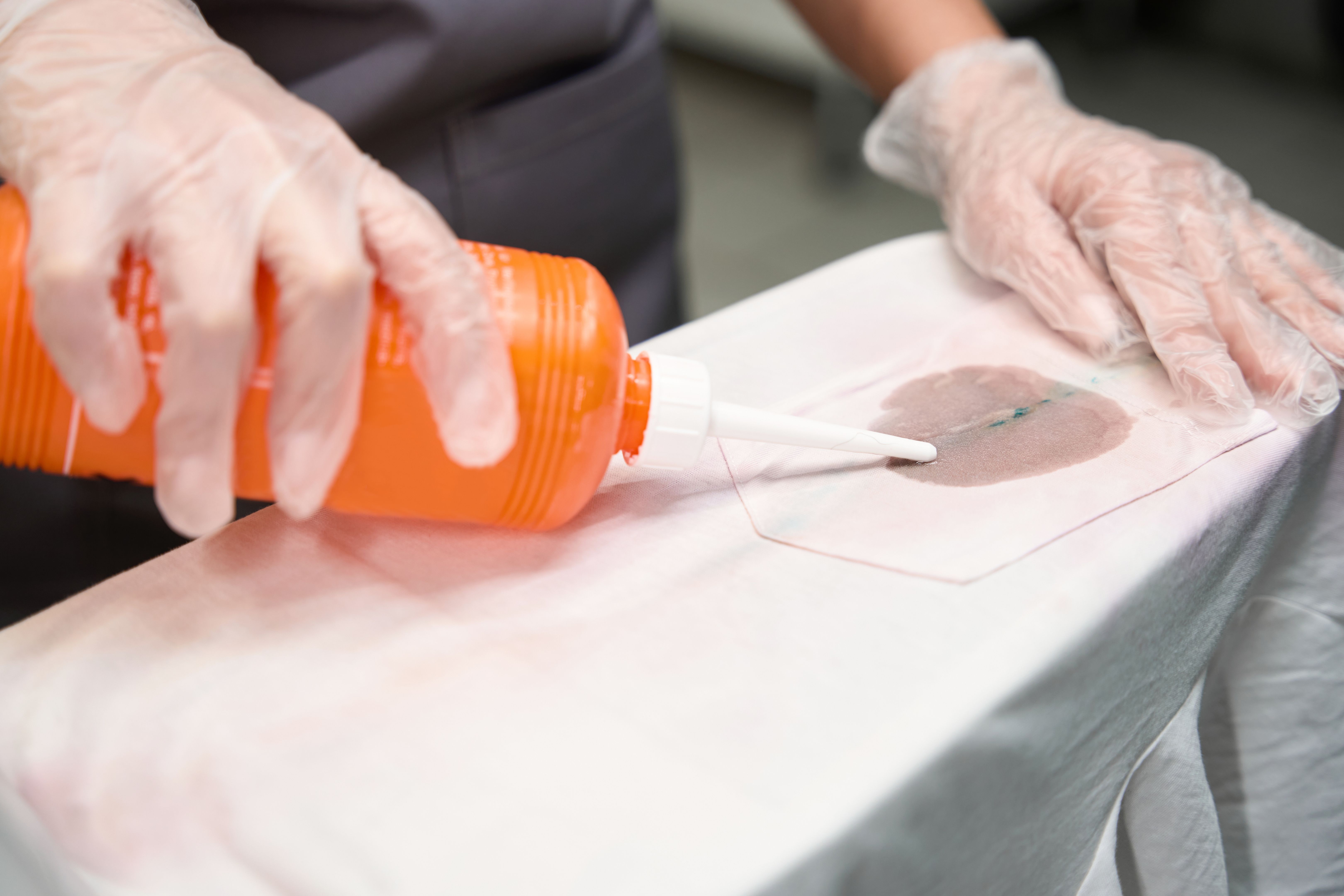
The dry cleaning process involves several steps. First, garments are inspected for stains and damage. Then, they are pre-treated for any stains before being placed in a machine that uses a solvent to clean the fabric. This solvent is gentle on materials that might shrink or lose color in water-based cleaning methods.
After cleaning, garments are pressed and finished to restore their appearance. The entire process is designed to be gentle and effective, ensuring your clothes look as good as new.
When to Choose Dry Cleaning
Not all clothing requires dry cleaning. Here are some guidelines to help you decide when it's necessary:
- Delicate Fabrics: Materials like silk, wool, and velvet often benefit from dry cleaning.
- Embellished Items: Garments with beads, sequins, or embroidery may need special care.
- Stubborn Stains: Certain stains are more effectively treated with dry cleaning solvents.

Benefits of Dry Cleaning
One of the key benefits of dry cleaning is its ability to remove tough stains and odors without damaging the fabric. Additionally, dry cleaning can help extend the life of your garments by reducing wear and tear.
The process is also convenient, saving you time and effort. Instead of spending hours trying to remove a stubborn stain, you can rely on professionals to handle it efficiently.
Dry Cleaning Tips
To make the most out of your dry cleaning experience, consider these tips:
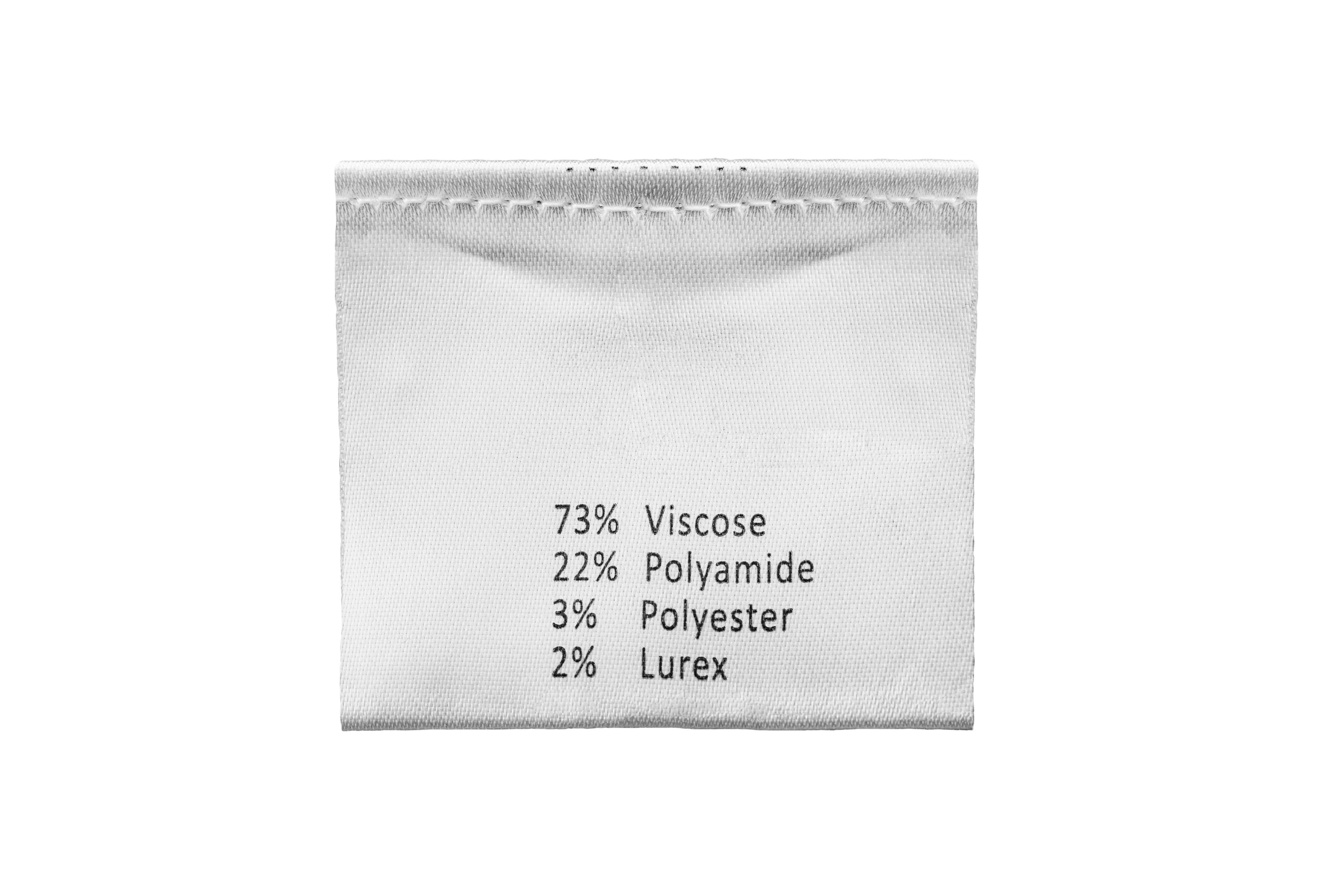
- Always check the care label on your garments to determine if dry cleaning is recommended.
- Point out any stains to the cleaner and let them know the source if possible.
- Remove any accessories or detachable parts before sending garments to the cleaners.
Environmental Considerations
While dry cleaning is effective, it's important to be aware of its environmental impact. Many traditional dry cleaning solvents can be harmful, so look for cleaners that use eco-friendly solutions. Some modern dry cleaners offer "green" services that are less harmful to the environment.
By choosing a cleaner that prioritizes sustainability, you can help minimize the environmental footprint of your clothing care.
Conclusion
Dry cleaning is a valuable service for maintaining the quality and appearance of certain garments. By understanding when and how to use dry cleaning, you can keep your wardrobe in top condition. Whether it’s for delicate fabrics or tough stains, dry cleaning offers a reliable solution for many clothing care challenges.